
Despite the challenges of balancing her personal interests with cultural and religious traditions, Queeny Mitmug-Adiong, carved out a space for herself in the fashion industry. Her story is not just about breaking barriers but also about honoring her heritage in a way that redefines representation. In this article, we explore how Queeny defied expectations, embraced her identity, and proved that passion and tradition can coexist beautifully.
Let’s get to know more about this wonderful wonderwoman.
𝟭. 𝗖𝗼𝘂𝗹𝗱 𝘆𝗼𝘂 𝘁𝗲𝗹𝗹 𝘂𝘀 𝗮 𝗹𝗶𝘁𝘁𝗹𝗲 𝗮𝗯𝗼𝘂𝘁 𝘆𝗼𝘂𝗿𝘀𝗲𝗹𝗳?
— Queeny, a resilient soul hailing from Meycauayan, Bulacan, has experienced a diverse upbringing. She is a versatile individual with a diverse range of experiences. Her early years were marked by frequent moves between Metro Manila and Mindanao, shaping her into an adaptable individual. Born and raised between the dynamic cities of Metro Manila and Mindanao, she has developed a unique blend of urban sophistication and natural charm.
𝟮. 𝗪𝗵𝗲𝗻 𝗱𝗶𝗱 𝘆𝗼𝘂𝗿 𝗷𝗼𝘂𝗿𝗻𝗲𝘆 𝗶𝗻𝘁𝗼 𝗳𝗮𝘀𝗵𝗶𝗼𝗻 𝗯𝗲𝗴𝗶𝗻?
— I think my journey into fashion began when I was around 9 years old. I started to appreciate dressing well and keeping up with the latest trends; I always wanted to be among the first to embrace new styles. However, I truly embarked on my modeling journey after going through a divorce at the young age of 19.

𝟯. 𝗚𝗿𝗼𝘄𝗶𝗻𝗴 𝘂𝗽 𝗶𝗻 𝗮 𝗰𝗼𝗻𝘀𝗲𝗿𝘃𝗮𝘁𝗶𝘃𝗲 𝗠𝘂𝘀𝗹𝗶𝗺 𝗰𝗼𝗺𝗺𝘂𝗻𝗶𝘁𝘆, 𝗵𝗼𝘄 𝗱𝗶𝗱 𝘁𝗵𝗲𝘆 𝗶𝗻𝗶𝘁𝗶𝗮𝗹𝗹𝘆 𝗿𝗲𝗮𝗰𝘁 𝘁𝗼 𝘆𝗼𝘂𝗿 𝗶𝗻𝘃𝗼𝗹𝘃𝗲𝗺𝗲𝗻𝘁 𝗶𝗻 𝗺𝗼𝗱𝗲𝗹𝗶𝗻𝗴? 𝗛𝗼𝘄 𝗱𝗶𝗱 𝘆𝗼𝘂 𝗻𝗮𝘃𝗶𝗴𝗮𝘁𝗲 𝘁𝗵𝗲 𝗰𝗵𝗮𝗹𝗹𝗲𝗻𝗴𝗲𝘀 𝗼𝗳 𝗿𝗲𝗽𝗿𝗲𝘀𝗲𝗻𝘁𝗶𝗻𝗴 𝘁𝗵𝗲 𝗠𝘂𝘀𝗹𝗶𝗺 𝗰𝗼𝗺𝗺𝘂𝗻𝗶𝘁𝘆 𝗶𝗻 𝘁𝗵𝗲 𝗳𝗮𝘀𝗵𝗶𝗼𝗻 𝗶𝗻𝗱𝘂𝘀𝘁𝗿𝘆?
— Growing up in a conservative Muslim community, I was aware that modeling might not align with traditional expectations. However, I didn’t ask for my family’s permission when I began pursuing it. Since I was living in Manila while they remained in Mindanao, they were unaware of my involvement. Only my younger sisters knew about it.
This distance allowed me to explore opportunities without immediate scrutiny or judgment from my community. While I knew there could be potential concerns about how modeling aligned with cultural and religious values, I was careful in choosing projects that felt appropriate for me.
Navigating the fashion industry as a Muslim woman came with unique challenges. I didn’t initially see myself as a representative of the Muslim community, but over time, I realized the importance of balancing my personal interests with the cultural and religious values I hold dear.
I never actively sought out modeling opportunities they often came to me through talent scouts who discovered me. I carefully selected the projects I participated in, such as cosmetics catalogues and runway shows, to ensure they aligned with my personal sense of modesty and appropriateness.
Since my work was based in Manila and the digital age was still in its early stages, my projects weren’t widely visible to people in my Maranao community back in Mindanao. This limited visibility helped me avoid potential backlash or misunderstandings. Looking back, I believe this allowed me to navigate my path with less pressure while still staying true to myself and my values.

𝟰. 𝗛𝗼𝘄 𝗱𝗼 𝗙𝗶𝗹𝗶𝗽𝗶𝗻𝗼 𝗽𝗲𝗼𝗽𝗹𝗲 𝗽𝗲𝗿𝗰𝗲𝗶𝘃𝗲 𝗺𝗼𝗱𝗲𝘀𝘁 𝗳𝗮𝘀𝗵𝗶𝗼𝗻? 𝗜𝘀 𝗶𝘁 𝗺𝗼𝗿𝗲 𝗶𝗻𝗳𝗹𝘂𝗲𝗻𝗰𝗲𝗱 𝗯𝘆 𝗳𝗮𝗶𝘁𝗵 𝗼𝗿 𝗰𝘂𝗹𝘁𝘂𝗿𝗲?
— I believe that Filipinos are more influenced by faith than culture when it comes to modest fashion. This perspective is deeply rooted in our history. Originally, many Filipinos practiced Islam, which emphasized modesty in dress and behavior. However, with the arrival of the Spaniards, there was a significant push to convert the population to Christianity. This shift not only changed our religious beliefs but also transformed our cultural expressions, including how we dress.
As a result, the values and principles instilled by these faiths have a lasting impact on our fashion choices. For many Filipinos, modesty is often linked to religious teachings, whether from Christianity or Islam. These teachings guide individuals in their choices about what to wear, often prioritizing modest attire as a reflection of their beliefs.
While it’s true that cultural trends evolve over time like the current obsession with Korean fashion among the youth. I still think that these changes don’t diminish the importance of faith. Right now, many young people are inspired by what they see in Korean dramas and pop culture, leading to a shift in their fashion sense. However, I believe that even as these trends come and go, the foundational values rooted in faith will continue to play a crucial role in how Filipinos perceive modest fashion.
In our fast paced world, where styles can change overnight, faith tends to provide a sense of stability and continuity. It shapes our identity and offers guidance on how we present ourselves to the world. So, while the influence of culture is undeniable, I maintain that faith is the more enduring force in shaping our understanding of modesty in fashion. Ultimately, faith has a lasting impact that transcends fleeting cultural fads, and that’s what makes it so significant in the context of modest fashion for Filipinos.
𝟱. 𝗔𝘀 𝘁𝗵𝗲 𝗙𝗶𝗿𝘀𝘁 𝗟𝗮𝗱𝘆 𝗶𝗻 𝘆𝗼𝘂𝗿 𝗺𝘂𝗻𝗶𝗰𝗶𝗽𝗮𝗹𝗶𝘁𝘆, 𝘄𝗵𝗮𝘁 𝗰𝗵𝗮𝗹𝗹𝗲𝗻𝗴𝗲𝘀 𝗵𝗮𝘃𝗲 𝘆𝗼𝘂 𝗳𝗮𝗰𝗲𝗱 𝗮𝘀 𝗮 𝘄𝗼𝗺𝗮𝗻 𝗶𝗻 𝗽𝗼𝘄𝗲𝗿? 𝗪𝗵𝗮𝘁 𝗵𝗮𝘃𝗲 𝗯𝗲𝗲𝗻 𝘁𝗵𝗲 𝗽𝗿𝗼𝘀 𝗮𝗻𝗱 𝗰𝗼𝗻𝘀 𝗼𝗳 𝘆𝗼𝘂𝗿 𝗿𝗼𝗹𝗲?
— As First Lady of my husband’s hometown, I face unique challenges as a woman in power. While this role offers a platform for change and advocacy, my influence is rooted in my own principles and accomplishments, which I established long before my husband gained prominence. I never relied on his fame or connections.
Over the past nearly nine years, I have often felt like a public servant without a defined role or power. My goals and initiatives frequently clash with the expectations of those around him, especially in a political dynasty context. Additionally, since we come from different towns, I sometimes feel I lack the right to assert myself.
I’ve come to realize that I cannot exhaust myself trying to impose my vision in an environment that may not be receptive. This has been a significant challenge for me and is a key reason why I often prefer to live separately from my husband. I value my peace of mind above all.
𝟲. 𝗪𝗵𝗮𝘁 𝗮𝗿𝗲 𝘆𝗼𝘂𝗿 𝗽𝗲𝗿𝘀𝗼𝗻𝗮𝗹 𝘄𝗮𝗿𝗱𝗿𝗼𝗯𝗲 𝗳𝗮𝘃𝗼𝗿𝗶𝘁𝗲𝘀, 𝗮𝗻𝗱 𝘄𝗵𝘆?
— I don’t have specific wardrobe favorites, but I tend to gravitate toward a variety of pieces that reflect my personal style and comfort. My go-to items usually include coats or jackets, which I love for their versatility and the way they can elevate any outfit. Whether it’s a tailored coat for a formal occasion or a casual denim jacket for a day out, I find that outerwear can really define my look.
I also have a soft spot for boots and sneakers. Boots add a touch of sophistication and can be perfect for both casual and more polished outfits, while sneakers bring a sense of comfort and practicality to my daily wear. I enjoy pairing them with denim pants, which are a staple in my wardrobe. Denim is timeless and can be dressed up or down, making it incredibly versatile.
Dresses are another favorite of mine; I appreciate how they can be effortlessly chic. I love both loose-fitting dresses that allow for ease and movement, as well as fitted styles that highlight my figure. The key for me is that whatever I wear must feel right and suit my body shape. I believe that clothing should be comfortable and make you feel confident.
In addition, I often choose comfortable sandals for warmer days. I think comfort is essential, especially when I have a busy schedule. I’m quite open-minded when it comes to fashion; I see myself as an open book. I’m willing to experiment with different styles and trends, as long as they complement my look and make me feel good. Ultimately, I believe that the right outfit can enhance not just your appearance, but also your confidence and mood.
𝟳. 𝗪𝗵𝗶𝗰𝗵 𝗰𝗼𝗹𝗼𝗿 𝗱𝗼 𝘆𝗼𝘂 𝗳𝗲𝗲𝗹 𝗯𝗲𝘀𝘁 𝗿𝗲𝗽𝗿𝗲𝘀𝗲𝗻𝘁𝘀 𝘆𝗼𝘂, 𝗮𝗻𝗱 𝘄𝗵𝗮𝘁 𝗺𝗮𝗸𝗲𝘀 𝗶𝘁 𝘀𝗽𝗲𝗰𝗶𝗮𝗹?
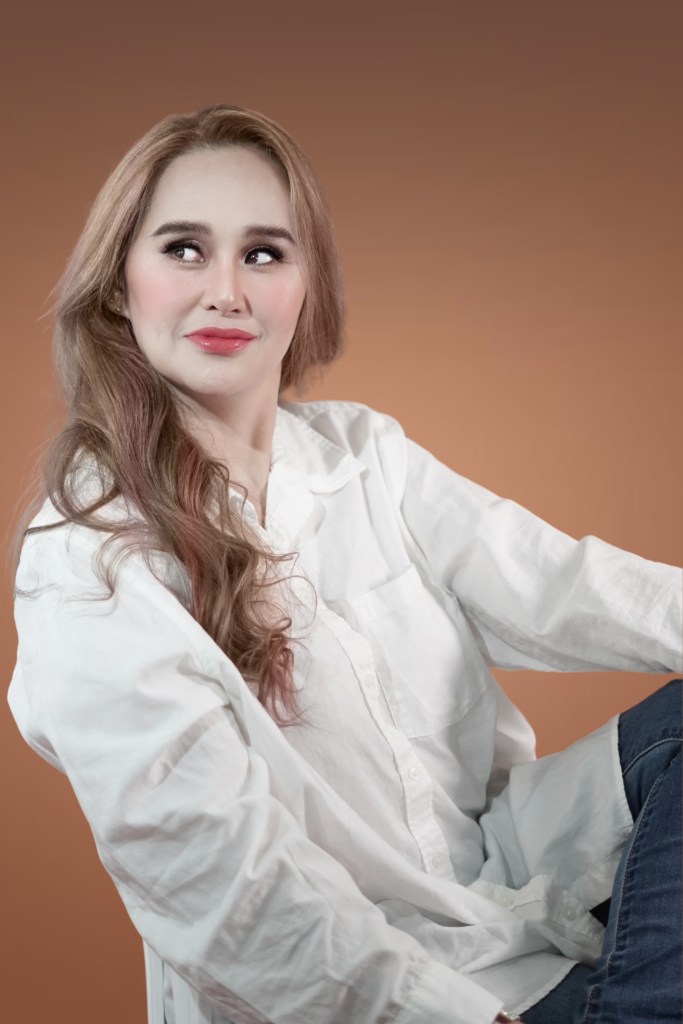
— I believe several colors reflect different aspects of my personality. Red, a color associated with passion, energy, and determination, aligns with my drive and enthusiasm. Mustard yellow, symbolizing optimism, creativity, and intellect, reflects my positive outlook and innovative thinking. Black and white, often representing elegance, sophistication, and clarity, mirror my commitment to precision and effective communication.
𝟴. 𝗖𝗼𝘂𝗹𝗱 𝘆𝗼𝘂 𝘀𝗵𝗮𝗿𝗲 𝘆𝗼𝘂𝗿 𝗺𝗼𝗱𝗲𝗹𝗶𝗻𝗴 𝗷𝗼𝘂𝗿𝗻𝗲𝘆? 𝗪𝗵𝗮𝘁 𝗵𝗮𝘀 𝗯𝗲𝗲𝗻 𝘁𝗵𝗲 𝗺𝗼𝘀𝘁 𝘀𝗶𝗴𝗻𝗶𝗳𝗶𝗰𝗮𝗻𝘁 𝗲𝘃𝗲𝗻𝘁 𝘆𝗼𝘂’𝘃𝗲 𝗮𝘁𝘁𝗲𝗻𝗱𝗲𝗱, 𝗮𝗻𝗱 𝘄𝗵𝗮𝘁 𝗮𝗿𝗲 𝘆𝗼𝘂𝗿 𝗺𝗼𝘀𝘁 𝘂𝗻𝗳𝗼𝗿𝗴𝗲𝘁𝘁𝗮𝗯𝗹𝗲 𝗲𝘅𝗽𝗲𝗿𝗶𝗲𝗻𝗰𝗲𝘀 𝗮𝘀 𝗮 𝗺𝗼𝗱𝗲𝗹?
— During a brief hiatus from my modeling career in Manila, I had an unexpected and unforgettable experience. In 2009, while juggling my studies and family responsibilities, I was invited to participate in a fashion show for a new brand. However, upon arriving at the event, I encountered a disheartening situation.
As one of a few minority models present, I felt overlooked and undervalued. The organizers, preoccupied with beauty pageant contestants, offered no guidance or orientation. It was evident that we were not their priority. Undeterred, I seized the opportunity to open the show, showcasing my confidence and style. My powerful presence and striking poses silenced the initial disregard.
The beauty pageant contestants, seemingly challenged by my performance, were unable to diminish my impact. I left the runway after a mere 15 minutes, leaving behind a lasting impression. The outfit I wore was sold, and the previously indifferent organizers suddenly offered incentives like lifetime memberships and free products.
While I appreciated their belated recognition, my academic commitments took precedence. I politely declined their offers and continued on my path. This experience instilled in me the values of resilience, self-worth, and staying true to oneself, even in the face of adversity.
𝟵. 𝗛𝗼𝘄 𝗱𝗼 𝘆𝗼𝘂 𝗱𝗲𝗳𝗶𝗻𝗲 𝗺𝗼𝗱𝗲𝘀𝘁 𝗳𝗮𝘀𝗵𝗶𝗼𝗻, 𝗮𝗻𝗱 𝗵𝗼𝘄 𝗱𝗼 𝘆𝗼𝘂 𝗮𝗱𝘃𝗼𝗰𝗮𝘁𝗲 𝗳𝗼𝗿 𝗶𝘁?
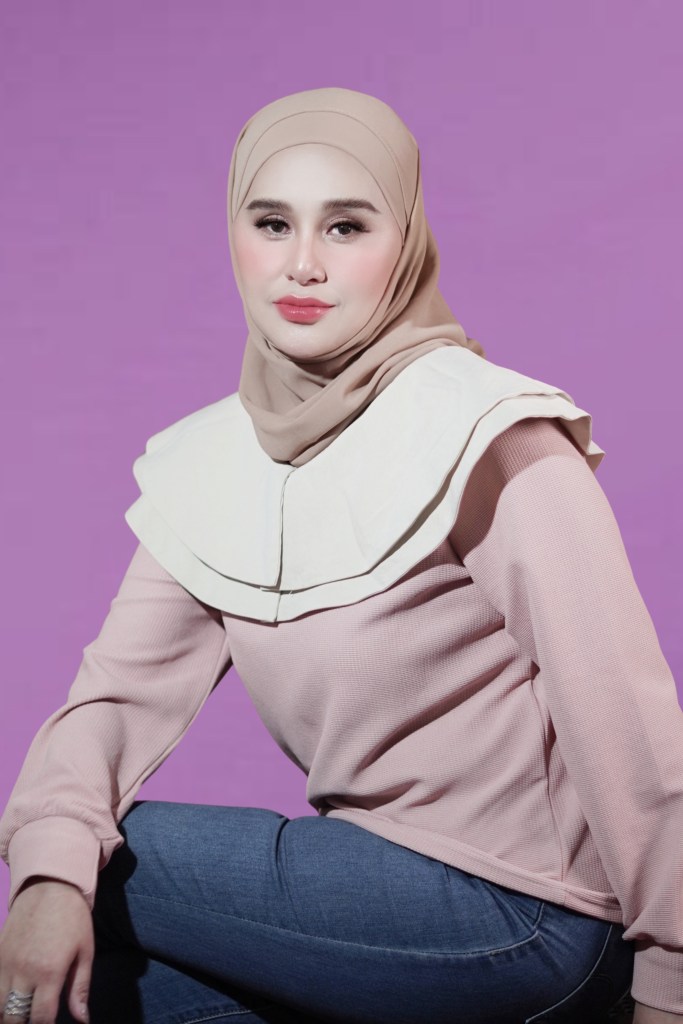
— First of all, I want to clarify that 𝗠𝗢𝗗𝗘𝗦𝗧 𝗖𝗟𝗢𝗧𝗛𝗜𝗡𝗚 and 𝗠𝗢𝗗𝗘𝗦𝗧 𝗙𝗔𝗦𝗛𝗜𝗢𝗡 have distinct connotations, primarily differing in their association and intent. Modest Clothing is a style of dress that aligns with religious, cultural, or personal values, emphasizing adherence to principles of modesty as a way of life.
While Modest Fashion is a trend and movement adapting modest clothing into the fashion industry, focusing on combining modesty with modern and stylish designs, making it appealing to a broader audience, both religious and non-religious individuals.
When it comes to Modest Clothing, I don’t believe I’m the right person to advocate for it. Modest Clothing is not a fashion statement but rather a reflection of one’s love for Allah and obedience to His commands. It’s a core aspect of our faith and relationship with Him. My own faith is still developing, and I wouldn’t want to take credit for something I’m still working on. As a believer of Islam, I believe modesty is an essential part of how we live and act. To truly advocate for Modest Clothing would require a strong foundation in my own spiritual journey.
If I were to describe modesty outside of my faith, I would sum it up in one word: 𝗥𝗘𝗦𝗣𝗘𝗖𝗧. What we wear and how we carry ourselves reflects who we are. It’s part of our identity. However, modesty is not something we can claim for ourselves. It’s how others perceive us, how they see our simplicity, humility, and character. We can’t simply say, “I’m modest”; it’s something others recognize in our actions, appearance, and demeanor.
From a different perspective, Modest Fashion, as seen in the world of fashion, has become a trendy and fashionable expression of modesty, but sometimes leans toward exaggeration and excessive accessorizing. While it’s positive to see modest styles gaining popularity, it’s crucial to maintain a balance between true modesty and fashion trends. Many of these styles are overly elaborate or attention-seeking.
Ultimately, modesty is about more than covering the body. It’s about reflecting inner values of humility and sincerity. The challenge lies in ensuring that 𝗠𝗢𝗗𝗘𝗦𝗧 𝗙𝗔𝗦𝗛𝗜𝗢𝗡 stays true to these principles while offering creative and stylish options.
𝟭𝟬. 𝗪𝗵𝗮𝘁 𝗮𝗱𝘃𝗶𝗰𝗲 𝘄𝗼𝘂𝗹𝗱 𝘆𝗼𝘂 𝗼𝗳𝗳𝗲𝗿 𝘁𝗼 𝘆𝗼𝘂𝗻𝗴 𝘄𝗼𝗺𝗲𝗻 𝘄𝗵𝗼 𝗮𝘀𝗽𝗶𝗿𝗲 𝘁𝗼 𝗯𝗲𝗰𝗼𝗺𝗲 𝗺𝗼𝗱𝗲𝗹𝘀 𝗼𝗿 𝗽𝘂𝗯𝗹𝗶𝗰 𝗿𝗲𝗽𝗿𝗲𝘀𝗲𝗻𝘁𝗮𝘁𝗶𝘃𝗲𝘀 𝗳𝗼𝗿 𝗠𝘂𝘀𝗹𝗶𝗺𝘀, 𝗹𝗶𝗸𝗲 𝘆𝗼𝘂𝗿𝘀𝗲𝗹𝗳?
— For young women dreaming of a career in modeling or public representation, I would say: LISTEN to those who have come before you in this profession, because if anyone knows, it’s us. Be yourself, unapologetically, and don’t do things that aren’t true to who you are. Embrace your flaws and love your unique style; don’t be afraid to challenge the status quo. Your individuality is your superpower. Be content, whether times are tough or easy, because when you feel complete, you will stay grounded. Whatever achievements you reach, always remind yourself of where you began.
Make Allah the center of your journey, and you will never go wrong. Stay true to yourself, work hard, and you will make a difference.


 MODESTFASHIONDESIGNERS.COM
Leave a comment