
Her mission in building unity, fostering conversations, and embracing identity as a World Hijab Day Ambassador of the Philippines
What does the hijab truly represent? Is it just a piece of cloth, or is it a symbol of faith, resilience, authenticity, freedom and empowerment? As the World Hijab Day Ambassador, Sobeida Mangorsi have seen firsthand how the hijab brings women together, fostering a sense of unity, confidence, and purpose. In this interview, we will take you through her journey—from the challenges of hijab advocacy to the inspiring stories of Muslim women who wear it with pride.
How do you want the world to know who Sobeida Mangorsi is?
I’m Sobaida Mangorsi, and I’m truly honored to be the World Hijab Day Ambassador. I am also a dedicated private contractor by profession and a proud mother of four wonderful children, hailing from the vibrant city of Marawi.
I hold a Master’s degree in Islamic Law from Mindanao State University, which has greatly enriched my understanding and appreciation of our beautiful cultural heritage. Balancing work and family life is very important to me, and I always strive to make time for both my loved ones and my career.
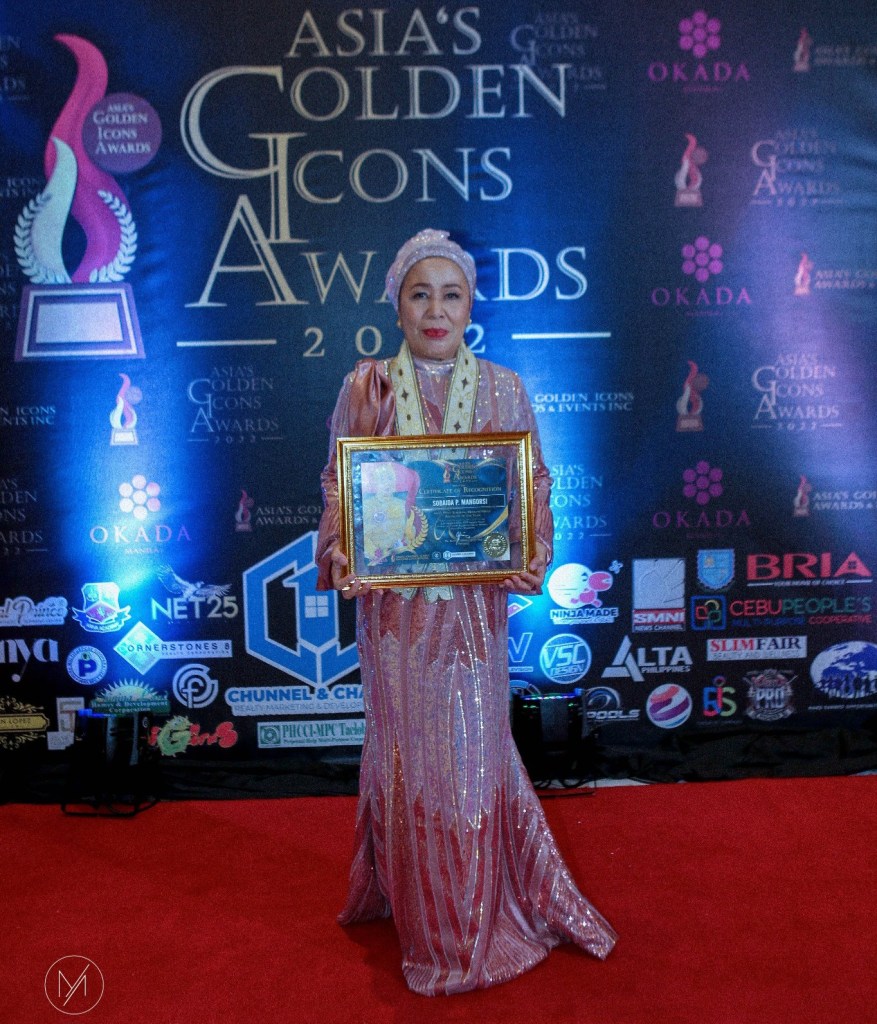
Please tell us about your journey as the Ambassador for World Hijab Day in the Philippines.
My time as the Ambassador for World Hijab Day in the Philippines has been an incredibly rewarding experience. It all started with a simple wish to help people understand and appreciate what the hijab means to Muslim women. I’vehadthe privilege of connecting with different communities, sharing personal stories, and sparking conversations about the cultural and religious significance of the hijab. Through events and social media initiatives, I’ve tried to inspire women to embrace their identities with pride while also teaching others the importance of respect and tolerance.
What were the challenges you faced being a WHD Ambassador?
One of the biggest challenges I encountered was dealing with the misconceptions and stereotypes surrounding the hijab and Muslim women. There were times when I faced resistance and misunderstanding, which called for a lot of patience and ongoing efforts to educate others. On top of that, organizing events and
rallying community support in such a diverse society wasn’t always easy. However,
with determination and teamwork, we managed to create meaningful experiences that made a difference.
How did the World Hijab Day help and create positive impact to the Muslims in the Philippines?
World Hijab Day has played a vital role in bringing Muslim women together, creating a strong sense of solidarity and pride. This special day opens up conversations that help connect people from different backgrounds and cultures. It encourages women to embrace their identities, which in turn raises awareness about the meaning of the hijab. The event has also sparked initiatives that focus on empowering women and promoting education within our communities.
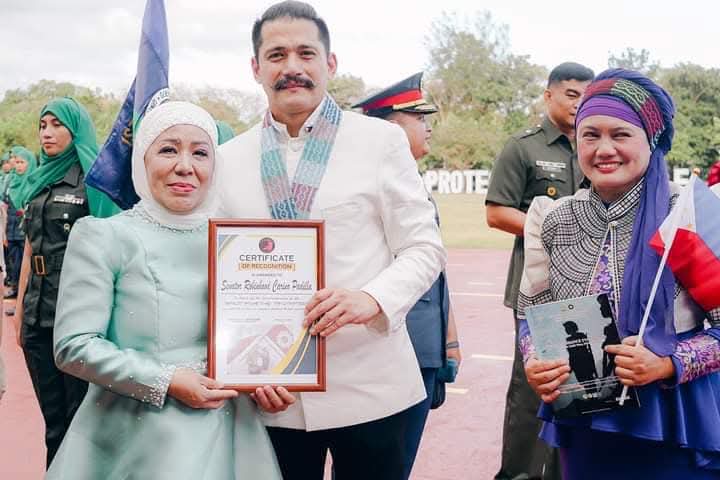
What do you think is/are the biggest challenge(s) Muslim women face in our societies today? Specifically in the Philippines?
All praise is due to Allah that, as a Muslim woman living in the Philippines, I do not experience the extreme discrimination thatmany Muslim women endure in other countries. In the Philippines, both Muslims and non-Muslims tend to treat each other with kindness and hospitality. Although we do encounter some challenges and moments of discrimination, they usually don’t reach a point where they create serious difficulties in our lives.The Philippines is home to vibrant Muslim communities in many areas, and I appreciate that our government actively supports our rights and needs. Many politicians and government employees stand with us, which fosters a spirit of unity and understanding that I truly admire. However, it is essential to acknowledge that while the overall environment may be relatively positive,there are still areas where improvement is needed to ensure that all Muslim women can fully realize their rights and opportunities in society.
If you allow us to know you much deeper, aside from being the Ambassador of WHD, what other activities are you involved in?
In addition to my role as WHD Ambassador, I am actively involved in community outreach programs that focus on women’s rights, education, and empowerment. I also participate in workshops and seminars aimed at fostering interfaith dialogue and understanding among various cultural groups. My passion for Islamic law drives me to engage in legal advocacy, ensuring that the rights of Muslim women are upheld and respected.
What do you think is your biggest or most significant legacy as WHD Ambassador?
I believe my most significant legacy as WHD Ambassador lies in theempowerment of women to embrace their identities and the promotion of mutual respect and understanding within our communities. By fostering open dialogue and creating safe spaces for expression, I hope to have inspired a new generation of women to confidently wear their hijab and advocate for their rights.
How do you foresee the future of the Filipino muslims, specificallythe Filipino Muslim women?
I see a bright future for Filipino Muslim women, where their voices and contributions are celebrated and valued. They will have equalaccess to education, job opportunities, and leadership positions, enabling them to pursue their dreams and passions. As more people become aware and understanding of their unique experiences, I believe we’ll witness a shift towards greater acceptance, allowing these women to thrive while embracing their rich cultural and religious identities with pride.
Talking about hijab, we know how the social media has affected the conservative societies. It either encourages them to wear hijab properly or otherwise. How do you think it affected the young Muslims in your community?
Social media has played a dual role in shaping perceptions of the hijab among young Muslims. On one hand, it provides a platform for positive representation and discussions about modesty, inspiring young women towear the hijab proudly. On the other hand, it can also introduce them to harmful messages and
unattainable beauty ideals. It’s crucial that we support our youth in navigating social media in a healthyway, highlighting the value of being true to themselves and making choices that resonate with their own beliefs and values.salaam sis, puede ko ba ito isingit sa article ?
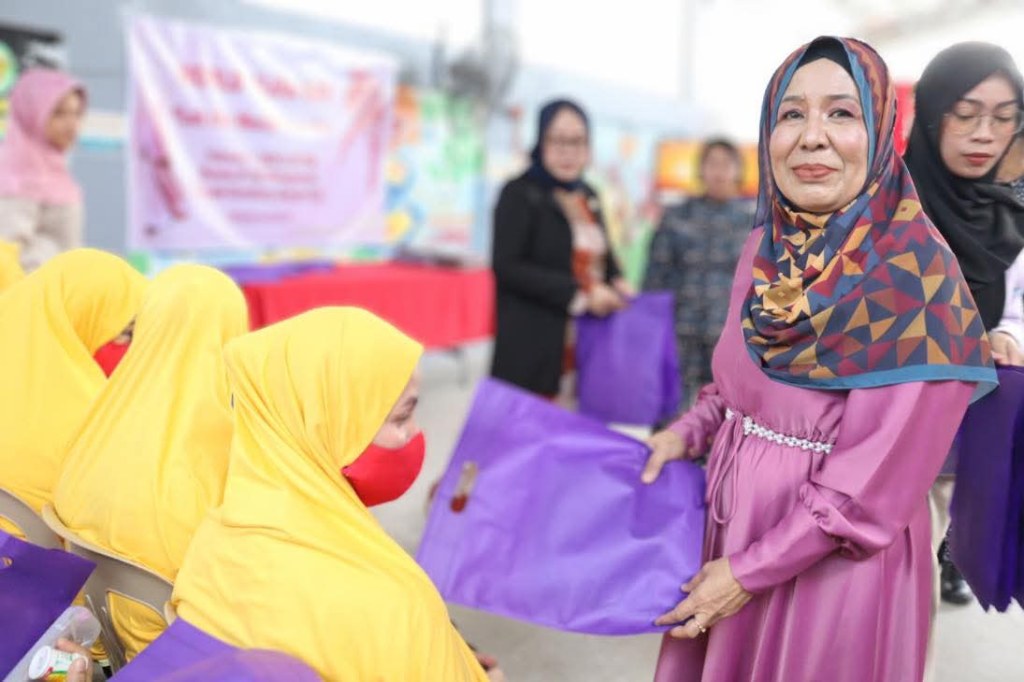
What is your take on modest fashion? What is the biggest challenge for modest fashion designers nowadays given the changing trends and the influences of the social media age?
Modest fashion is a wonderful way for people to express who they are, their culture, and their beliefs. It lets individuals show off their personal style while staying true to their values. However, modest fashion designers may face a big challenge. They need to blend traditional styles with modern trends. This balance is important so their designs appeal to a wide range of people while still feeling genuine and authentic. On top of that, keeping up with the fast-moving trends on social media can be overwhelming for designers who want to create pieces that stand the test of time.
The hijab, a symbol of modesty and faith, has become an influential element in the world of fashion. Far from being just a piece of cloth, the hijab represents a blend of tradition and modernity, empowering women to express their personal style while adhering to their beliefs. With its variety of colors, fabrics, and styles, the hijab allows for endless creativity and self-expression. Modest fashion has gained widespread recognition, showcasing that elegance and sophistication can go hand in hand with modesty. By embracing the hijab, women are not only promoting a piece of cloth but also a powerful message of identity, confidence, and cultural pride.
Wearing hijab and holding true to the religion is a challenge in a cosmopolitan world nowadays. But how can you explain to this generation why wearing hijab is important?
Wearing the hijab is a deeply personal decision that reflects a woman’s faith, identity, and sense of empowerment. For many, it’s a way to express themselves and stay true to their religious beliefs. In our diverse and interconnected world, choosing to wear the hijab can also be an act of resilience and bravery, pushing back against stereotypes and encouraging understanding among different cultures. It’s important to recognize the hijab’s role in promoting modesty and dignity, not just for oneself, but for everyone.


 MODESTFASHIONDESIGNERS.COM
Leave a comment